News

COP31 Event – How science informs the Enhanced Transparency Framework and the Global Stocktake: future transformation pathways in line with net-zero targets and the Paris Agreement

COP31 Event – How science informs the Enhanced Transparency Framework and the Global Stocktake: future transformation pathways in line with net-zero targets and the Paris Agreement

This official UNFCCC special event, organised by the UNFCCC Transparency Division under the “Together for Transparency” initiative, explores how science can inform the Enhanced Transparency Framework (ETF) and the Global Stocktake (GST). It provides insights into state-of-the-art research on global and national transformation pathways in line with net-zero targets and the Paris Agreement, including perspectives on equity and climate finance, that can help Parties better align their ambition and efforts, both individually and collectively.

Dinner at COP31 – From Pathways to Implementation: Financing an Equitable Transition Away from Fossil Fuels

Dinner at COP31 – From Pathways to Implementation: Financing an Equitable Transition Away from Fossil Fuels

This NEWPATHWAYS dinner at COP31, “From Pathways to Implementation: Financing an Equitable Transition Away from Fossil Fuels”, explores how global transition pathways can inform equitable national transitions and the financing needed to deliver them. It connects the scientific evidence on what the transition requires with the policy and financing challenges of implementation in different national contexts, drawing on emerging analysis from the Science Panel for the Global Energy Transition (SPGET), NEWPATHWAYS research on national pathways and climate finance, and emerging research on equitable transitions away from fossil fuels (ETAFFs).

New Report Available: NEWPATHWAYS Global Stakeholder Workshop II Summary

New Report Available: NEWPATHWAYS Global Stakeholder Workshop II Summary

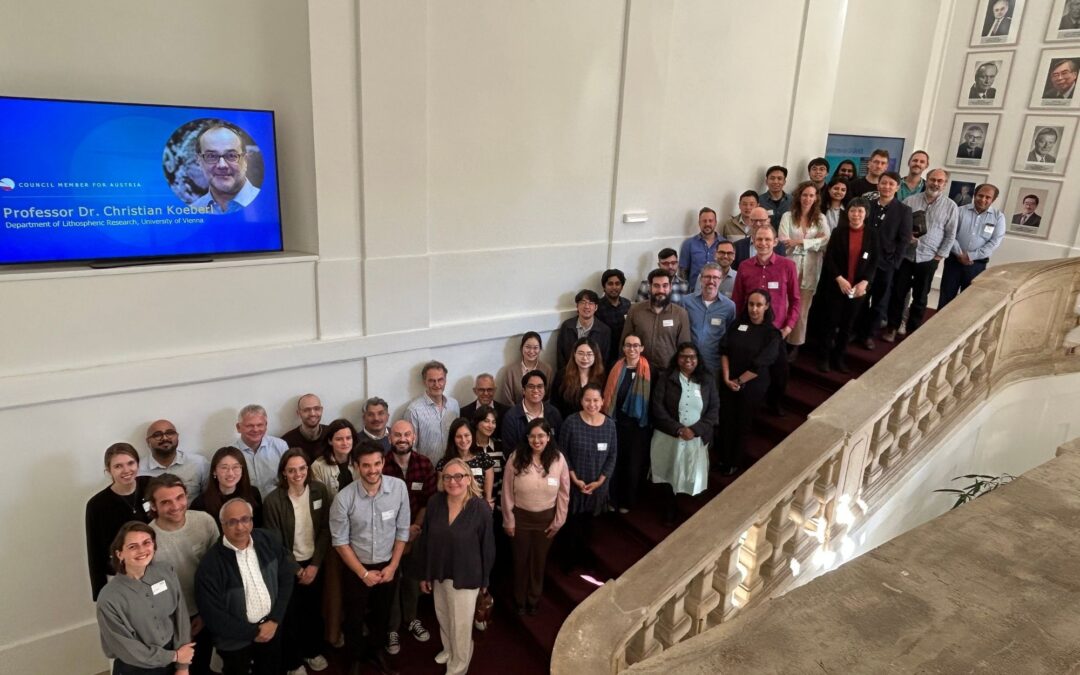
The NEWPATHWAYS project hosted its second Global Stakeholder Workshop on 12 June 2026 in Bonn, Germany, alongside SB64. This summary report captures key insights, stakeholder feedback, and actionable recommendations to inform the 2028 Global Stocktake and strengthen climate policy coherence.

Paris Agreement Implementation: How Transparency and Science Inform Policy Decisions (SB64 Side Event)

Paris Agreement Implementation: How Transparency and Science Inform Policy Decisions (SB64 Side Event)

This official UNFCCC side event, organised by the UNFCCC Secretariat, explores how transparency processes and scientific insights can better inform climate policy decisions and the implementation of the Paris Agreement. It highlights the role of the Enhanced Transparency Framework (ETF) in translating country-reported data into actionable knowledge to support evidence-based policymaking.

New Report Available: NEWPATHWAYS Global Stakeholder Workshop II Summary

Global Stakeholder Workshop II (SB64) — From Ambition to Action: Aligning Equity, Finance, and Climate Pathways towards 1.5°C

The NEWPATHWAYS Global Stakeholder Workshop II, held during SB64, will bring together policymakers, researchers, and stakeholders to explore how to translate climate ambition into actionable, equitable, and financially viable pathways aligned with the 1.5°C goal. Building on insights from the NEWPATHWAYS project and the first Global Stocktake, the workshop will focus on bridging global and national climate strategies, integrating equity and finance into transition pathways, and addressing key implementation challenges. Through interactive discussions and expert exchange, participants will contribute to shaping policy-relevant insights in support of the 2028 Global Stocktake.

A climate-neutral pathway makes 90 percent of fossil fuels in the EU redundant by 2050

A climate-neutral pathway makes 90 percent of fossil fuels in the EU redundant by 2050

Cost-effective climate mitigation would reduce fossil fuel consumption in the EU by around 90 percent by 2050 compared to 2020. A new study by the Potsdam Institute for Climate Impact Research (PIK) which received funding from NEWPATHWAYS shows that rapid expansion of renewable energy and widespread electrification are key drivers of this shift. The study also finds that a complete phase-out of fossil fuels by 2050 would be technically feasible, albeit with considerable effort.